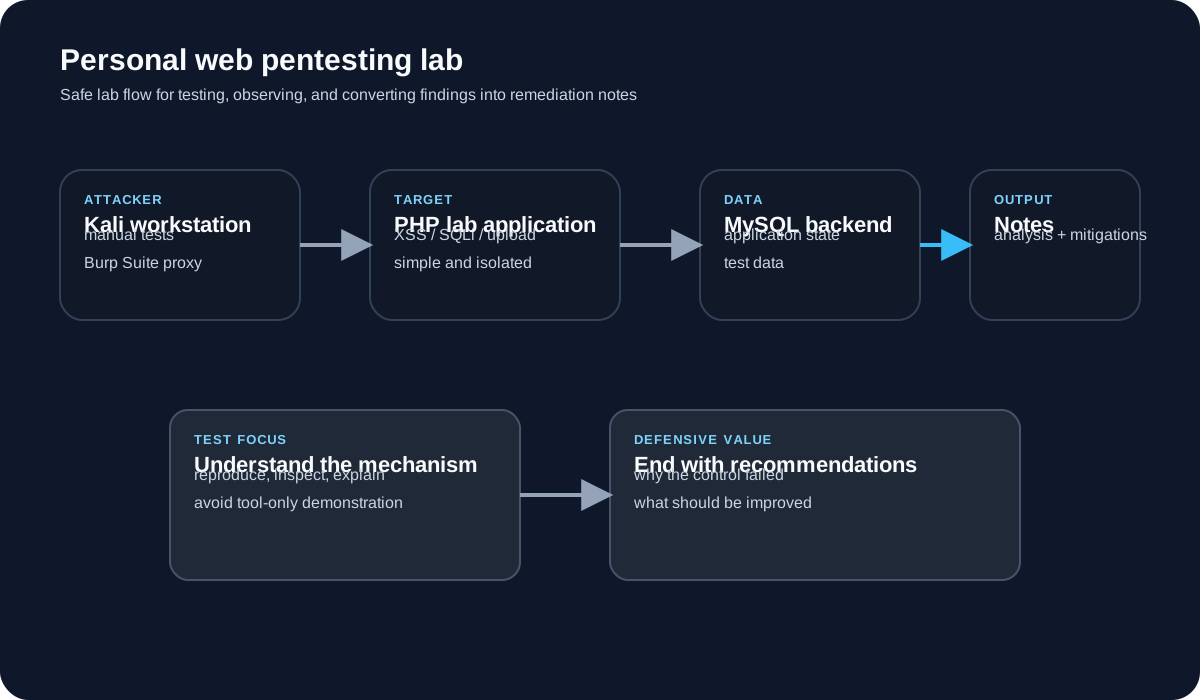
Set up isolated web targets with simple PHP/MySQL logic so each vulnerability mechanism stayed understandable and testable.
Personal Web Pentesting Lab
Personal cybersecurity lab used to reproduce common web vulnerabilities, understand the exploitation path, and connect testing to defensive recommendations.
Key highlights
- Built the lab as a learning environment, not as a checklist of tool usage.
- Connected offensive testing to practical recommendations instead of stopping at vulnerability reproduction.
- Used the project to strengthen curiosity, evidence gathering, and disciplined write-ups.
ContextPersonal lab outside formal coursework
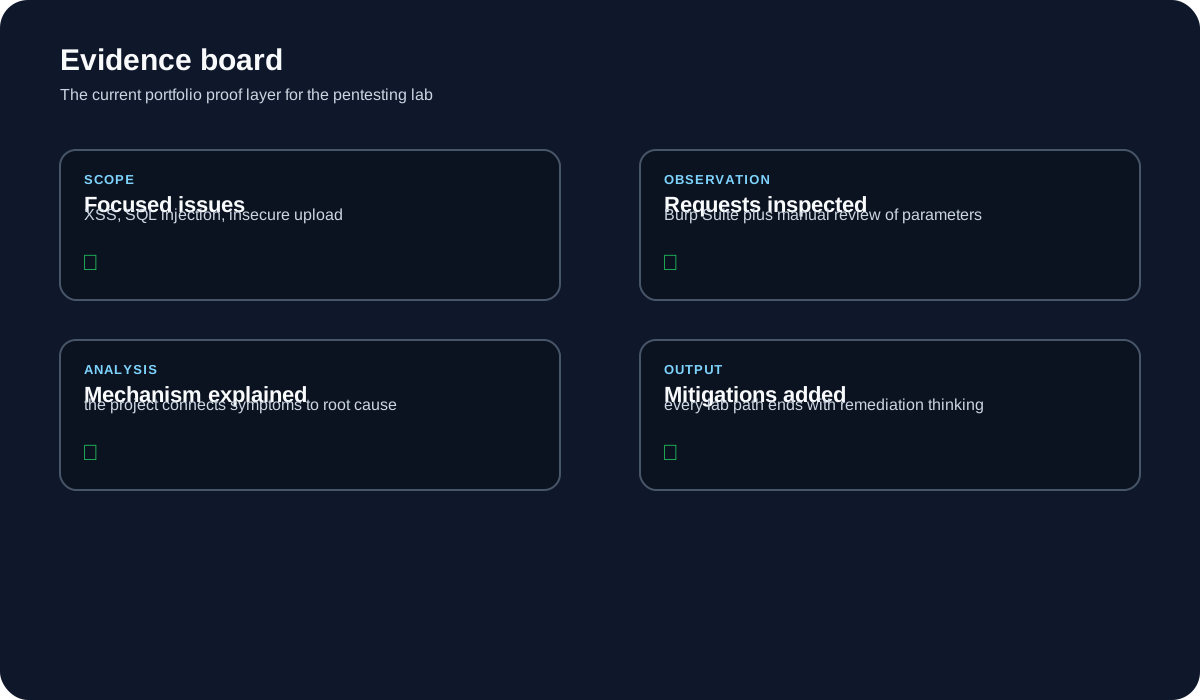
FocusXSS, SQL injection, and insecure file upload scenarios
GoalLearn through reproduction, observation, and defensive recommendations
What I handled
Used Burp Suite and manual request inspection to follow input handling, parameter behavior, and the impact of insecure controls.
Documented the exploitation path for issues such as XSS, SQL injection, and file upload weaknesses before switching to remediation thinking.
Turned each test into defensive recommendations instead of presenting the lab as a purely offensive exercise.
Results & evidence
Lab architecture
Timeline
Build the vulnerable environment
Prepare simple web targets and an isolated workflow where common weaknesses can be reproduced safely.
Test and observe
Use manual testing and tools such as Burp Suite to inspect requests, inputs, and exploitation paths.
Document and connect to defense
Turn the observations into clearer security understanding and practical recommendations.
Overview
This project is a personal web pentesting lab built to understand common web vulnerabilities through direct experimentation. The goal is not to claim an advanced offensive-security role, but to develop a solid habit of testing, observing, and documenting security weaknesses correctly.
What I worked on
- Reproducing common issues such as XSS, SQL injection, and insecure file upload
- Using Burp Suite and Kali Linux to inspect requests and behavior
- Linking technical tests to more defensive questions: what failed, why it failed, and what should be improved
Why it matters in my portfolio
This project is useful because it shows a real cybersecurity learning dynamic:
- curiosity backed by hands-on testing
- ability to reproduce weaknesses instead of discussing them only in theory
- connection between analysis and remediation
- habit of documenting what was observed
Technical angle
The lab relies on simple web targets so that the vulnerability logic stays understandable. That matters because the goal is to learn the mechanisms clearly, not to hide weak understanding behind complicated tooling.
Current proof included on the page
- a simple lab architecture image that shows the target, the test workstation, and the analysis flow
- an evidence board summarizing what was tested and how the lab leads to remediation notes
- a block describing what I personally handled instead of hiding behind generic wording
- result cards that make the project look like an actual learning lab with outputs
What this project demonstrates
- early practical exposure to web application security
- disciplined observation of requests and inputs
- growing comfort with security tooling
- a mindset that values technical evidence and structured notes
What can still be added later
This page can later include request examples, sanitized findings, and selected screenshots from the lab tools.
Evidence board